Our Plot Finding Guide
We have put together a few suggestions and tips to help navigate the path of plot searching.
Border Oak have almost 5 decades of experience finding, assessing and delivering plots across the country – everything from urban infills to entire villages! In addition to finding, buying and selling plots, we have unrivalled knowledge and experience in supporting people looking for plots and those who already own a plot – offering guidance, appraisals, site visits and full planning and design services.
Do get in touch if you think we can help or have any questions.
Self & Custom Build is now recognised by the Government under the Self-build and Custom Housebuilding Act 2015
National Planning Policy and emerging Local Plans expressly support self and custom build delivery – acknowledging that self and custom build opportunities provide housing variety and and alternative to large speculative development.
But finding the right plot can still take time, often with a few false starts along the way. The best advice we can offer is never give up!
Plots appear at the most unexpected of times. You need to be active, specific and committed in your search. But rest assured that Border Oak have all the experience and knowledge to make the very best of a plot – designing your home to capitalise on all the positives and overcome hurdles.
If you have a plot and would like our help just let us know.
Border Oak Plots
.
Border Oak try to keep a selection of plots for our clients. Our plots will have Planning Permission for a Border Oak home and will be serviced and are ready to start. Often the approved design can be altered to reflect your needs.
Border Oak plots are typically serviced and ‘shovel ready’, with us also undertaking the external build package at least. Many of our plots are small groups of Border Oak homes designed as a collective, where we retain a ‘master planner’ role to ensure everyone can rely on what is happening across the scheme and Border Oak standards are retained. On collective projects Border Oak also undertake the landscaping, infrastructure and servicing – as well as Project Management.
-
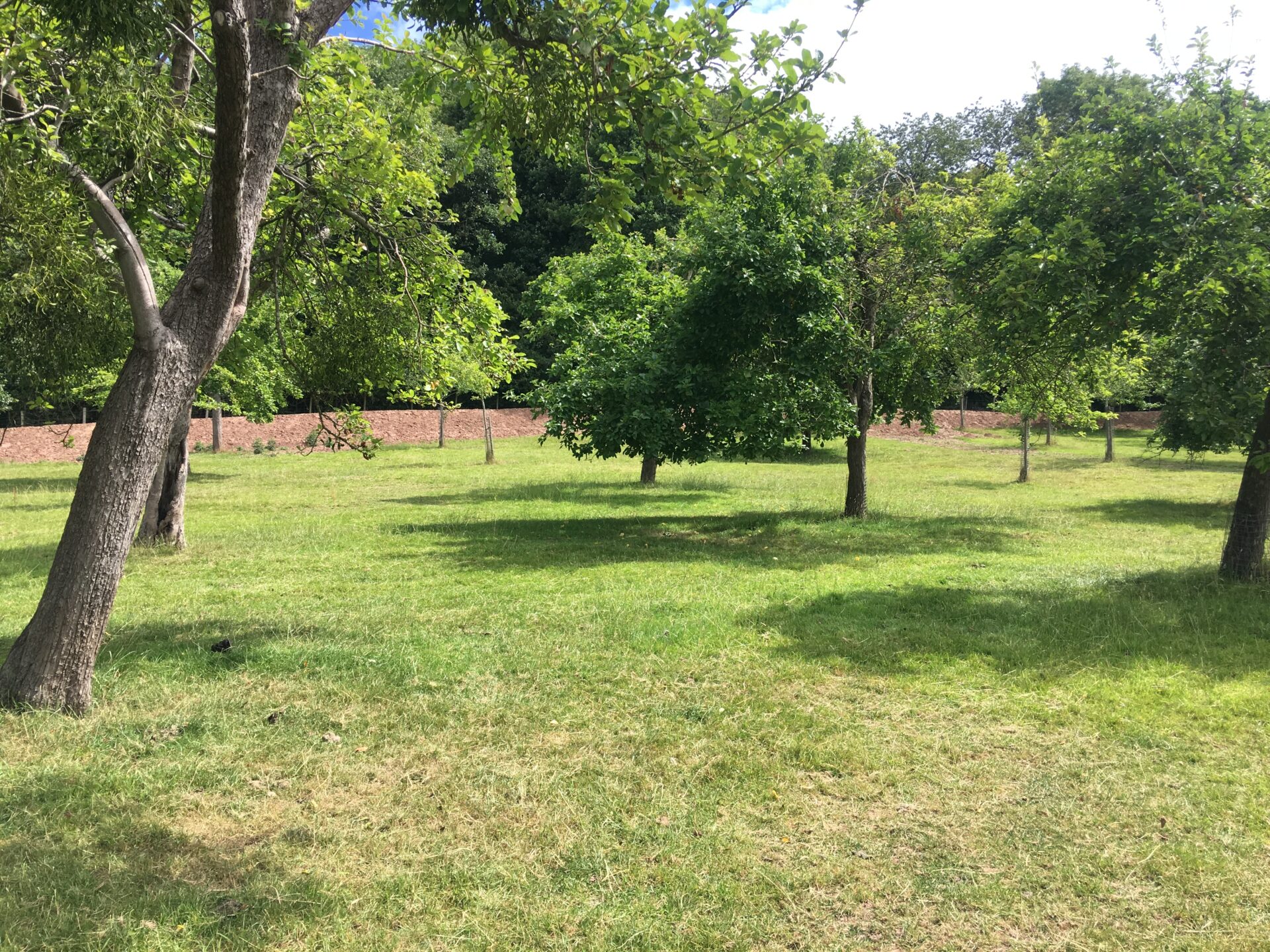
Stoke Prior, Herefordshire
-
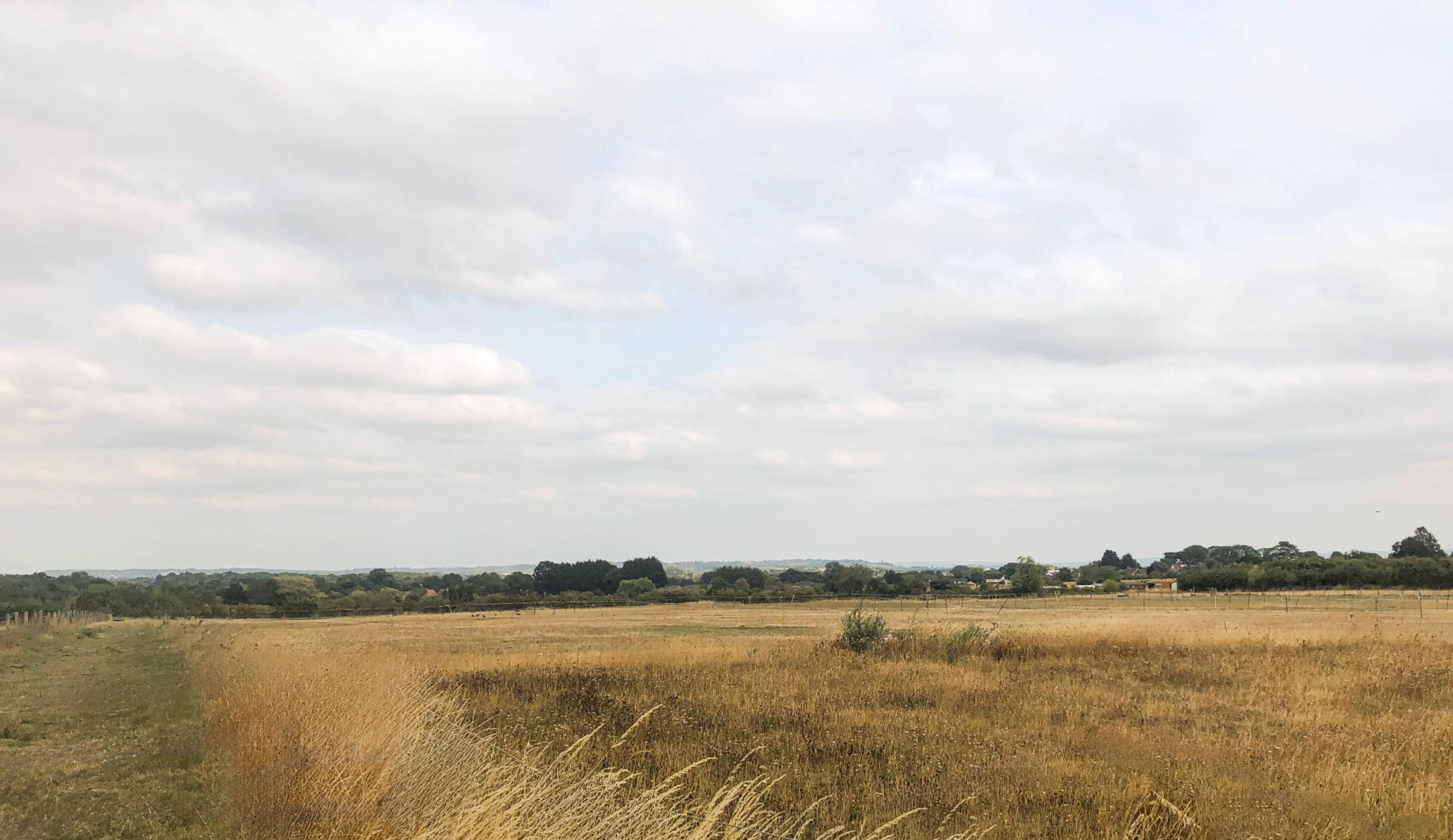
Stoulton, Worcestershire
-
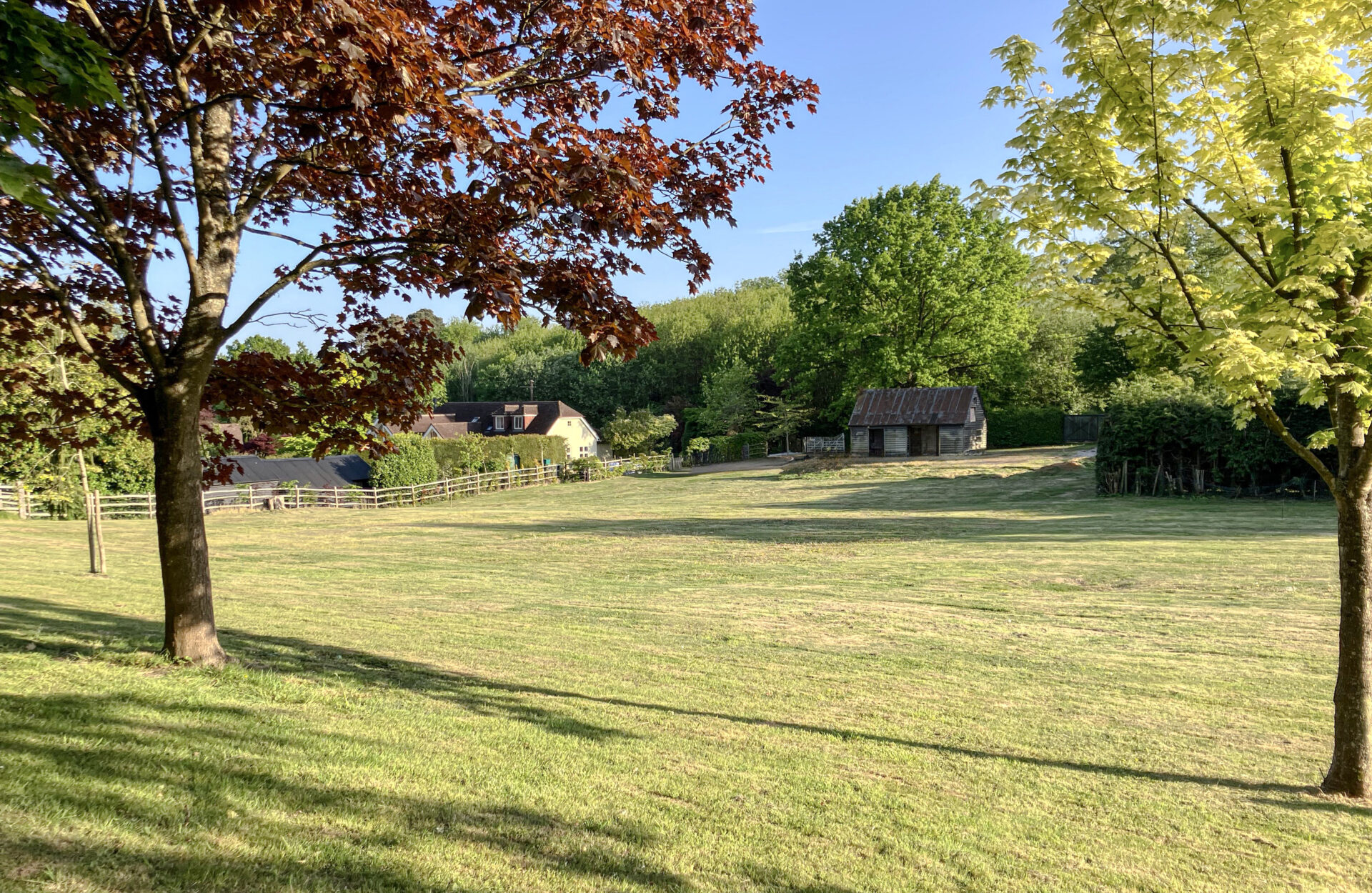
Pankhurst Wood, Kent
Hints, Tips & Suggestions
Many plots don’t even reach the open market and so you will need to be resourceful and active. Narrow down your chosen area and focus on your preferred villages – mindful that is unlikely to find a plot in the middle of nowhere. Consider placing a sign on the village noticeboard briefly outlining what you are looking for, or writing to the Parish Council. It is also worth asking local landowners or perhaps those with big gardens on the edge of a settlement. And approach local estate agents.
If you want to stay in your area and have a large garden in (or next to) a settlement it may be eligible for planning approval, especially when housing targets are not being met. Perhaps you could you buy land from your neighbour to add to yours and create a plot? Or maybe you have seen a house for sale sitting in a large village garden and it looks to have potential to hive off a plot. With the pressure to build more houses, many planning authorities are considering at all avenues – and have to show how they are supporting self-build and custom homes.
Stay in regular contact with local estate agents who specialise in plot & land sales and have good local connections and reputations. It’s important that they think of you when they hear about potential plots, so visit them in person if you can – and send over a brief outline of your requirements, with contact details and your budget. Explain that you are also interested in replacement projects, plots, houses with large gardens – and that you are hoping to build a Border Oak home.
Every authority has to publish planning applications. Keep your eyes peeled for small schemes, self and custom build applications, replacement dwellings and Class Q applications. Follow their progress and read the submitted documents. It may be worth approaching the applicant or their agent to express an interest – just in case. Even sites that are refused, might be worth considering (depending upon the refusal reasons and if you feel you can overcome them)
Each area approaches planning policy slightly differently, but the Self and Custom Build Act of 2015 sets out the legal expectation for local authorities to provide opportunities for those wishing to commission and build their own homes. There should be a Self and Custom build register and policies to support those wishing to build their own home. There may be a Housing Needs Team tasked with meeting their obligations to Self and Custom Build. It’s worth asking.
The Self Build and Custom Housebuilding Act 2015 proactively supports self building and asks local authorities to produce planning strategies to increase and facilitate self building opportunities. Check that your Local Authority has an active Register in place to meet these obligations. If they have a register, sign up and stay in touch with them. The Local Authority need to demonstrate to Government that provision has been made for self and custom build both via their register and through approval of plots.
Communities, landowners and specialist developers (such as Border Oak) are increasingly looking to bring forward collective self build projects on small to medium schemes and Local Authorities are beginning to adopt policy and approaches to bring this forward.
Local builders, architects and planning agents are fountains of plot knowledge! They are typically working with people who own plots, submitting applications and looking to sell – and often want to do something a little different. They could even be working on schemes that actually need self and custom builders to carry the project forward and meet planning policy.
Most Local Authorities have replacement dwelling policies where you can demolish an outdated house and replace it with a better new building.
This is often the best (or only) way to find a secluded plot in larger surroundings, as typically planning for new homes is only granted within settlement ‘boundaries’ and officers are often obligated to make best use of allocated land by delivering more than one home.
A replacement dwelling application however is ‘one for one’ and the location can be outside of settlement boundaries.
There are benefits to replacement projects – for example, they often already have mature gardens and will be connected to services. But there are also restrictions – typically size, volume, position and maybe materials and design. Research is key, and we are happy to help assess the site and find ways to address any hurdles. Replacement projects are a popular source of building plots however not all properties will be considered eligible – abandoned homes and relatively new homes may be problematic.
Planning policy changes all the time. There are now several policies that allow for the conversion of redundant agricultural and industrial buildings into residential homes.
Traditional or ‘heritage’ type buildings are typically only allowed to be sympathetically converted in order to save the history and the structure – so these aren’t suitable for a ‘new build’ as such. But many newer agricultural and industrial barns can now be ‘converted’ if they are ‘structurally capable of conversion’ (alongside some other requirements). This conversion approval can sometimes then be swapped for an entirely new build design. There are caveats to meet and varying policies to address, so its best to ask for guidance.
There is an element of risk with conversion applications like this, but they are also fruitful – so if you have an agricultural or industrial building that you think may have potential do get in touch. We have a range of planning partners we work with to navigate this type of application and we have delivered dozens of successful applications for clients across the UK.