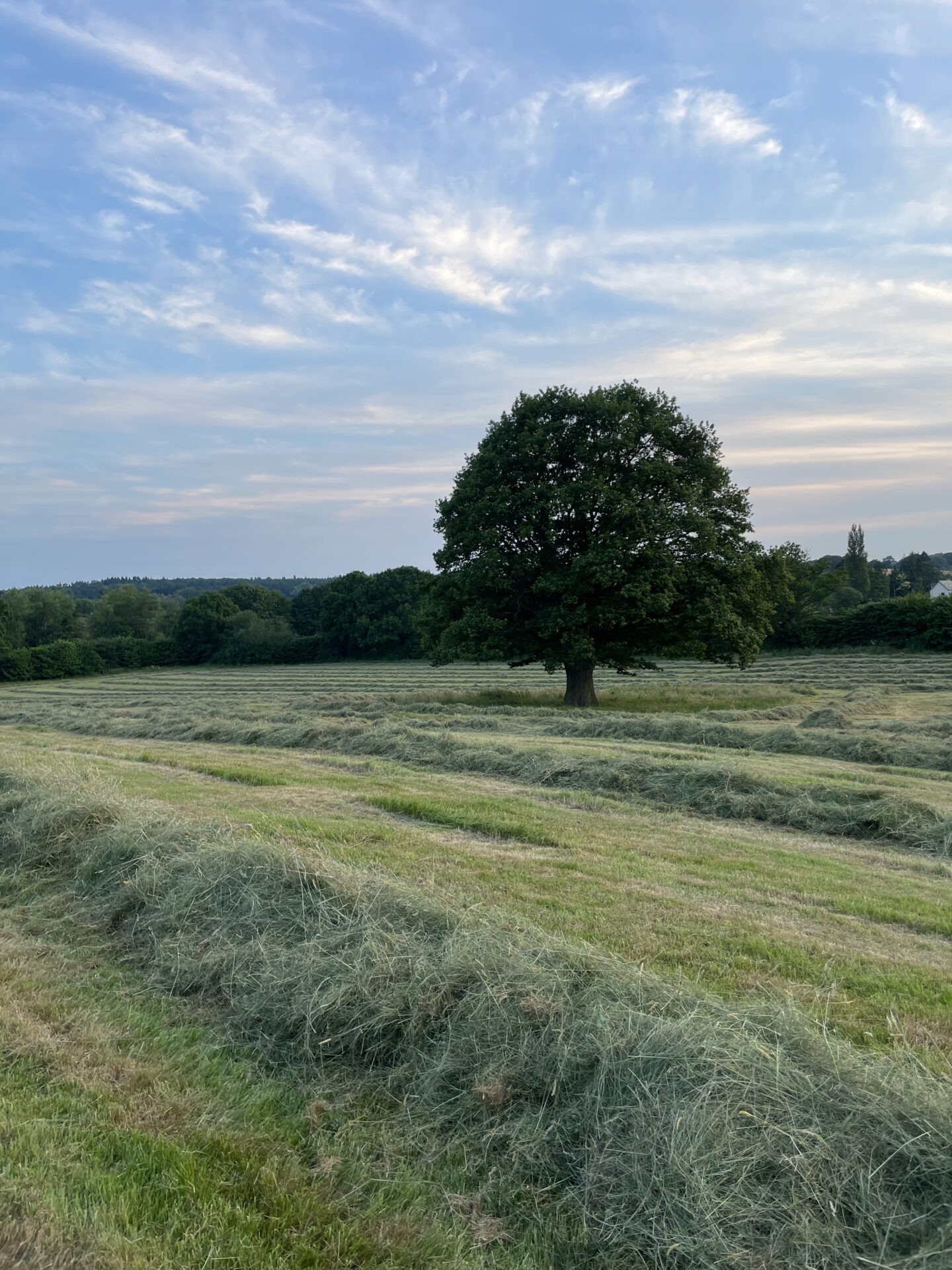
The Border Oak smallholding
In 2020 we purchased a small farm near Border Oak HQ to add to our agricultural holding.
For some years now we have been assembling parcels of land to manage for biodiversity and ecological enhancement – alongside meeting our own aims regarding carbon, nutrient reduction and water management.
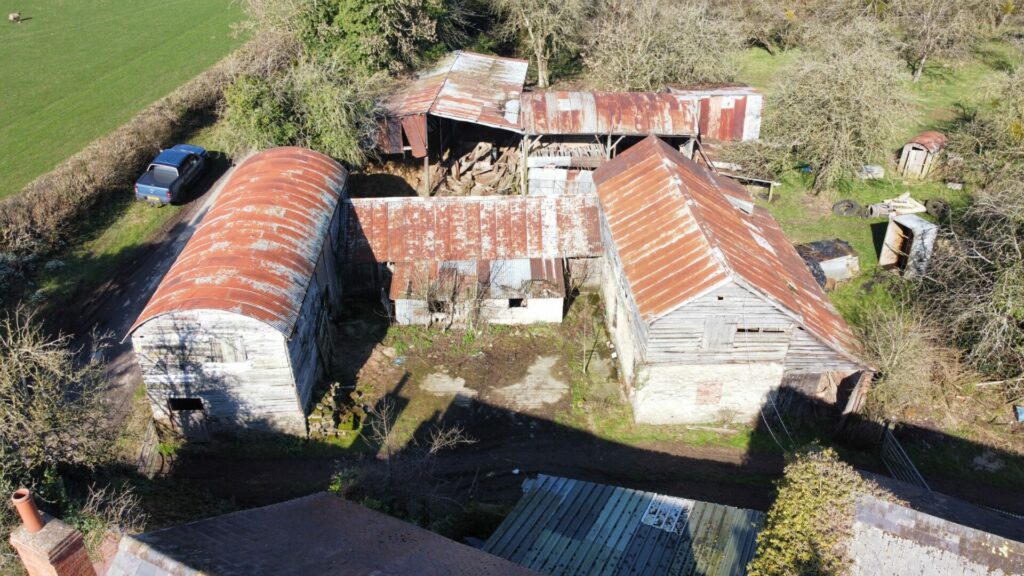
We were very lucky to find New House Farm, just down the lane from our workshops, which came on the market during Covid having been in the same family for many generations.
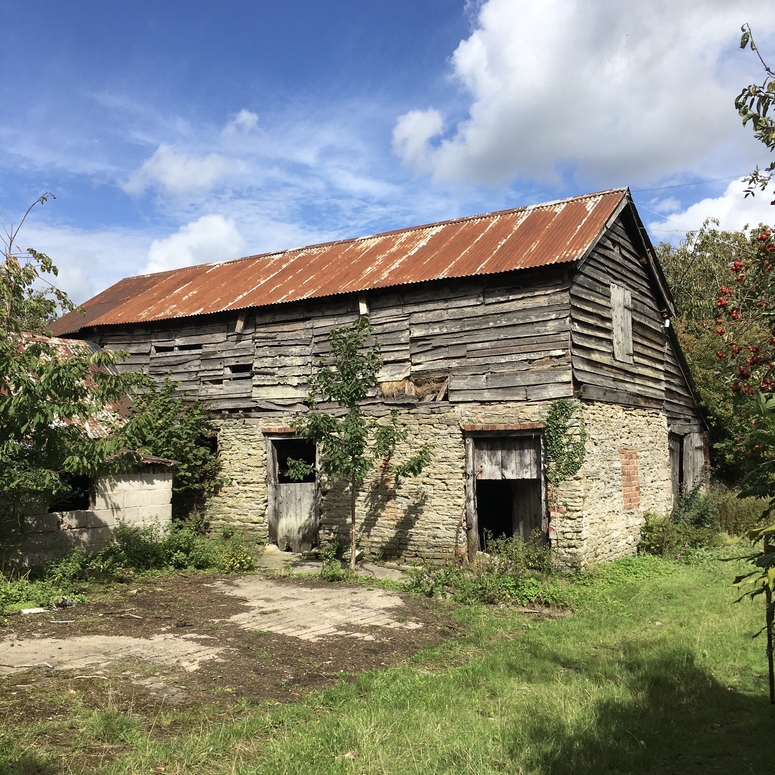
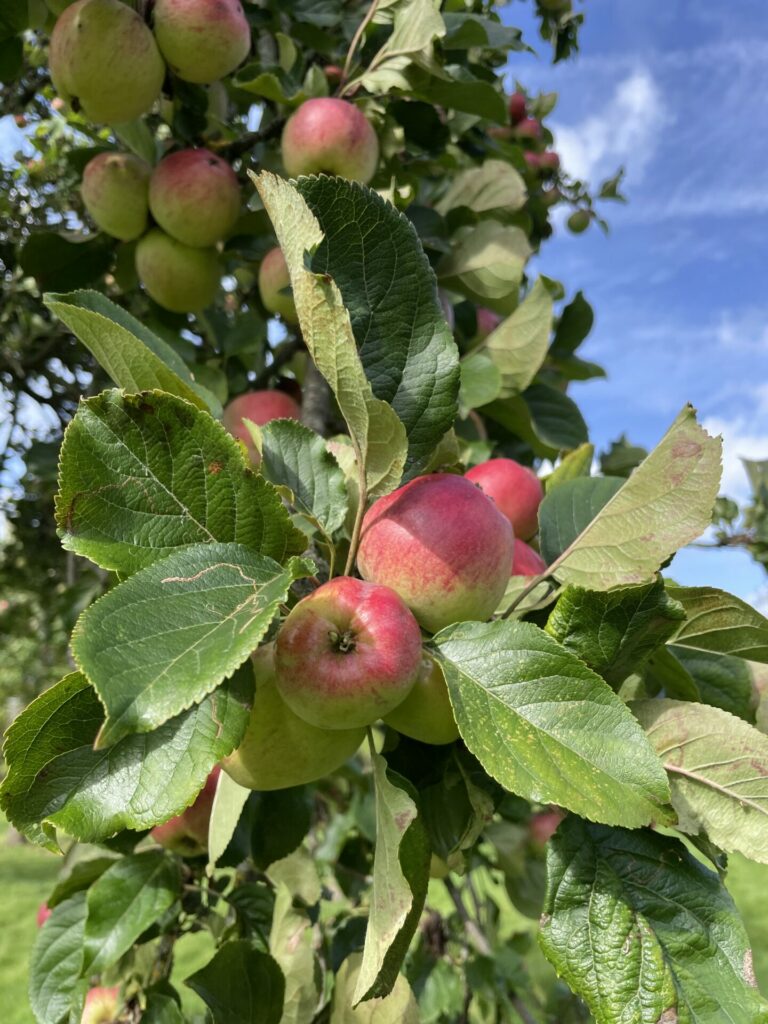
New House Farm consists of a farmhouse, various heritage barns and other outbuildings, together with a farmyard, several acres of organic apple and pear orchards plus traditional pasture. Our wider agricultural holding includes a cattle yard and arable land.
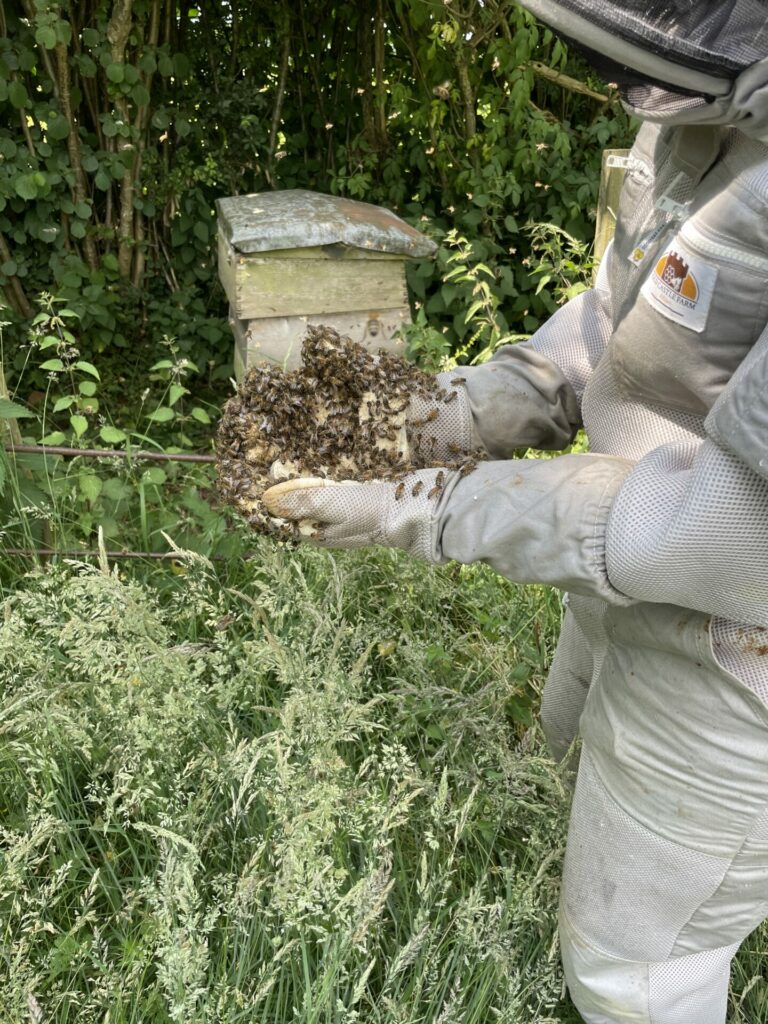
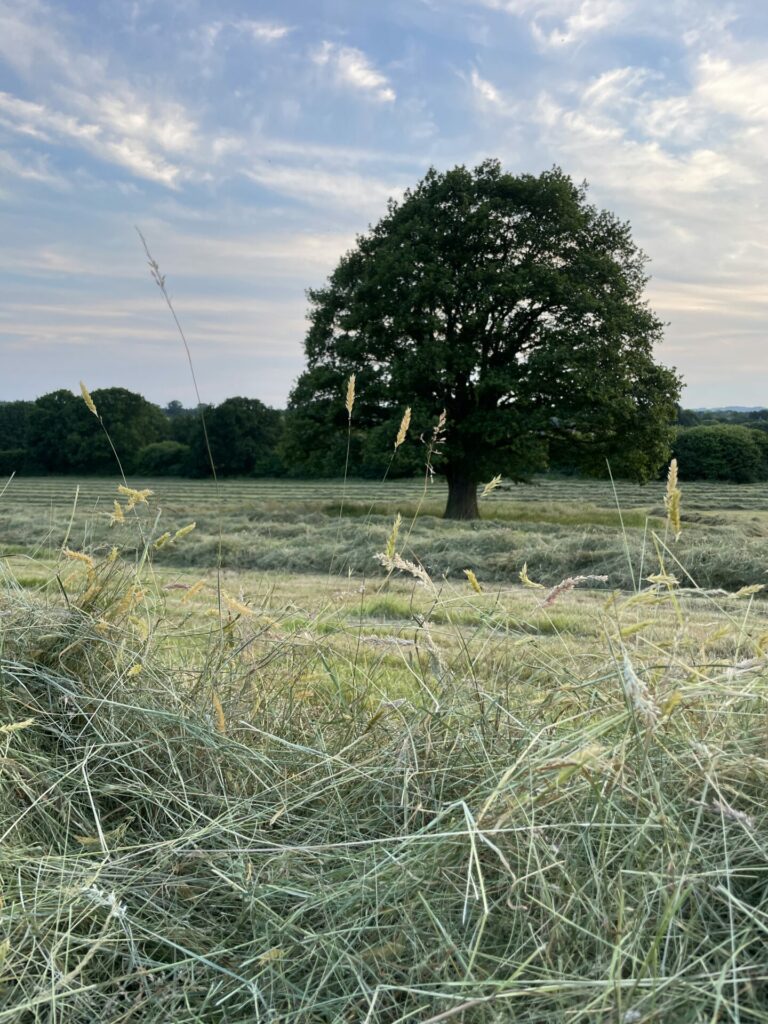
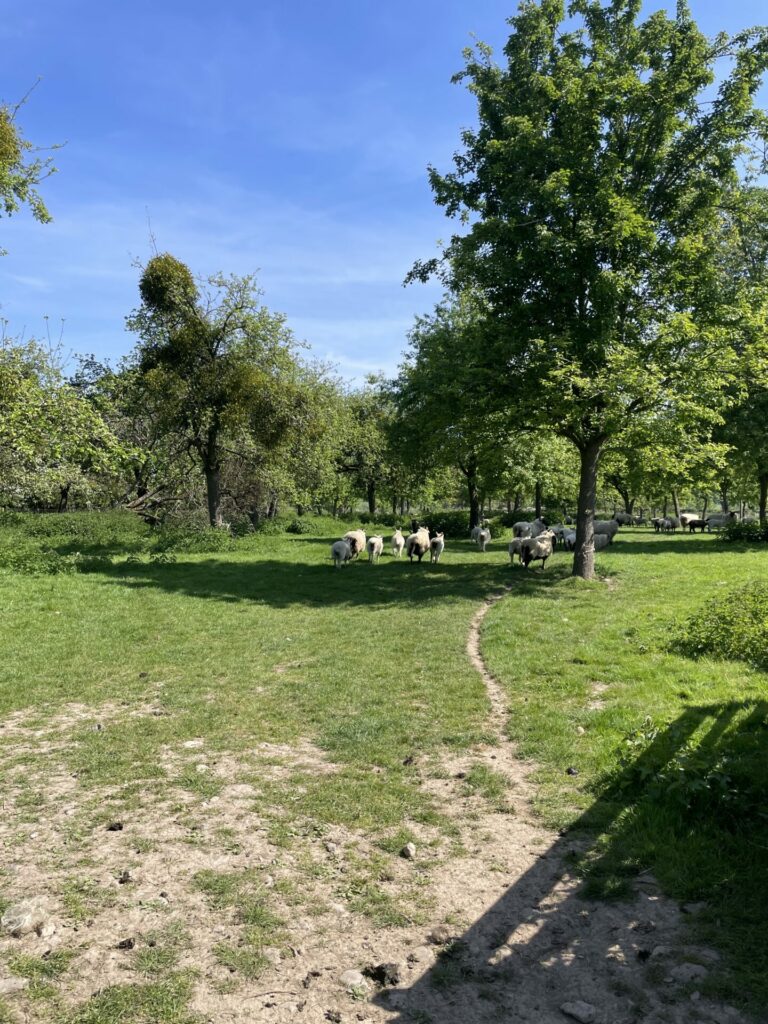
Over the past few years we have begun taking the land out of intensive production and have adopted a regenerative approach – including conservation grazing, tree and hedge planting, minimal soil disturbance as well as low or no inputs.
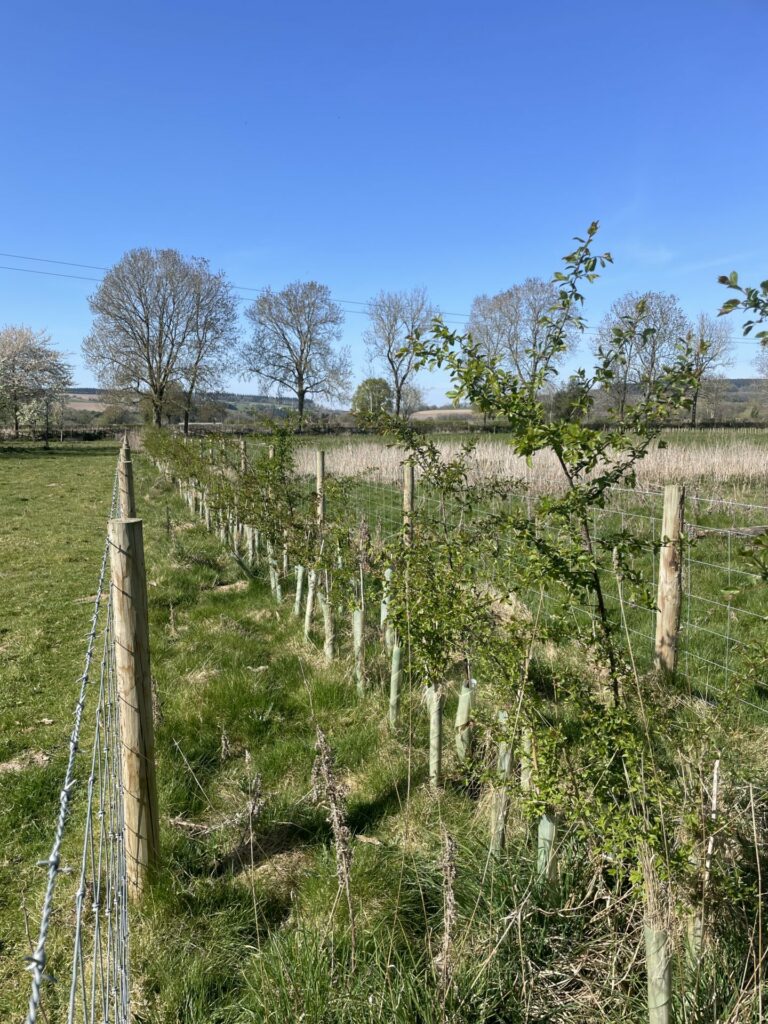
In 2024 and 2025 we have planted around 2.5km of new native hedge, to complement the 4.5km of hedge that we have already relaid traditionally.
We have planted hundreds of trees, restored two orchards and reinstated ditches and swales with a pond restoration project to follow next year. We are aiming to plant further orchards, restore the traditional meadows, reestablish wetland areas and create parkland pasture in 2026.
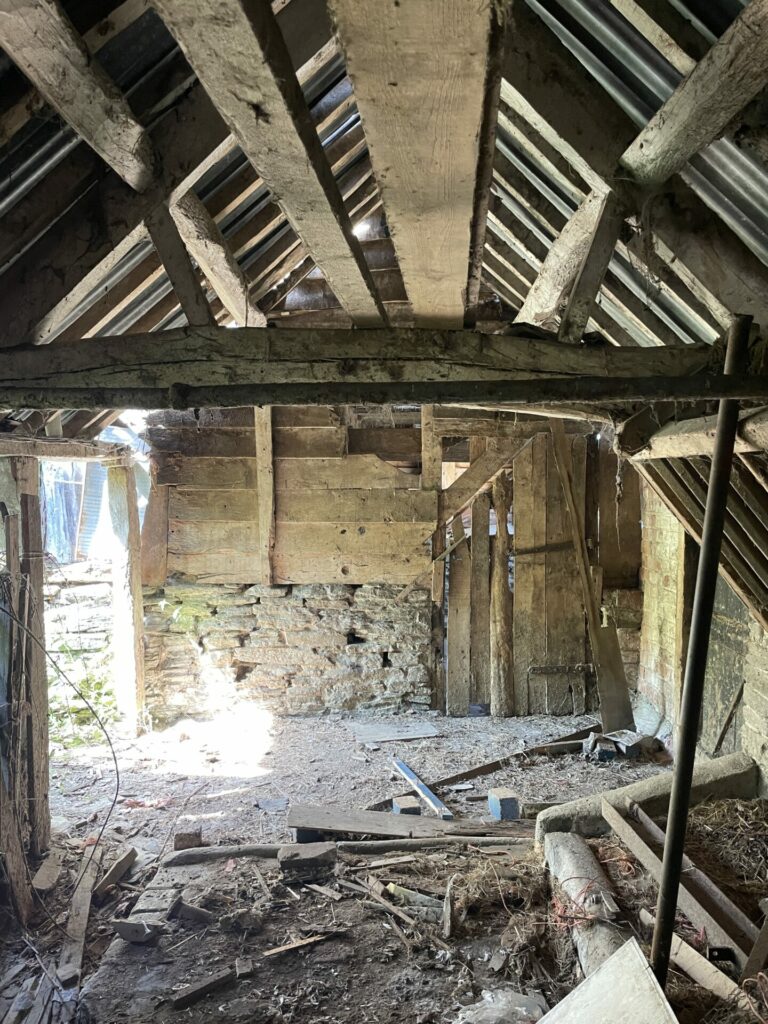
In 2020 we submitted a planning application to close our nearby cattle yard (which sits on a brook) and reuse the site for custom build housing. This will prevent around 6000kg of phosphate from entering the Lugg catchment (which currently suffers from surplus phosphate loads) and if we secure approval it will also enable us to repair the site – removing agricultural infrastructure and replace with new hedges, orchards, meadow and woodland planting.
However we are still awaiting the planning outcome of this 5 years later!
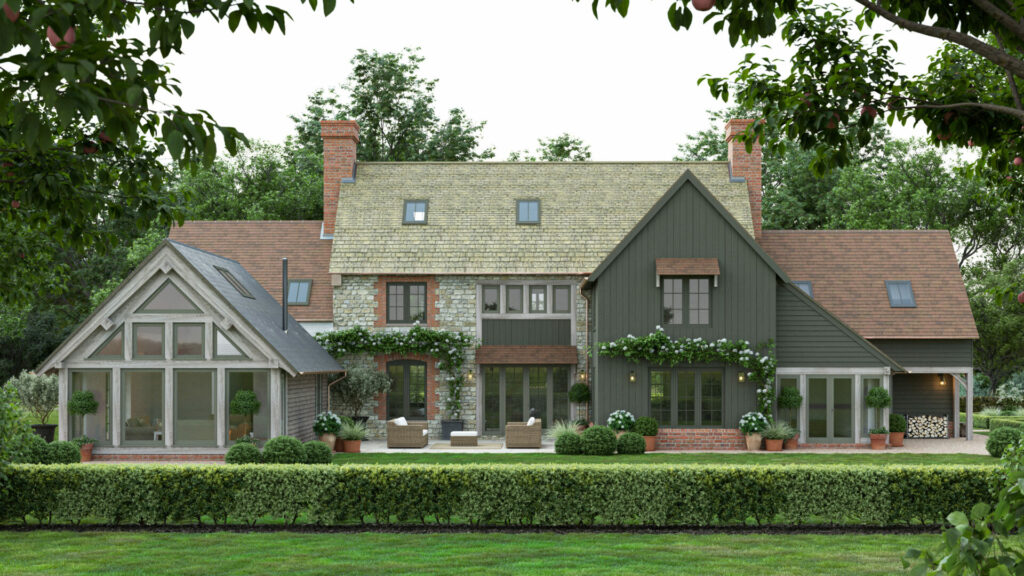
But we have secured planning approval to replace the farmhouse at New House Farm – which will become our new visitor house – and work will begin on this project shortly. At some point we hope to also restore the lovely barns next to the farmhouse, re-establish the traditional farmyard and repair the granary building.
Nature recovery and sustainability is at the heart of all that we do and we very much hope the projects over the coming years will transform some neglected spaces and buildings into thriving biodiversity havens, that also produce food and drink.