Sustainability
Border Oak have been at the forefront of sustainable design and construction for more than five decades, and we continue to innovate and pioneer sustainability advances within our business and our sector.
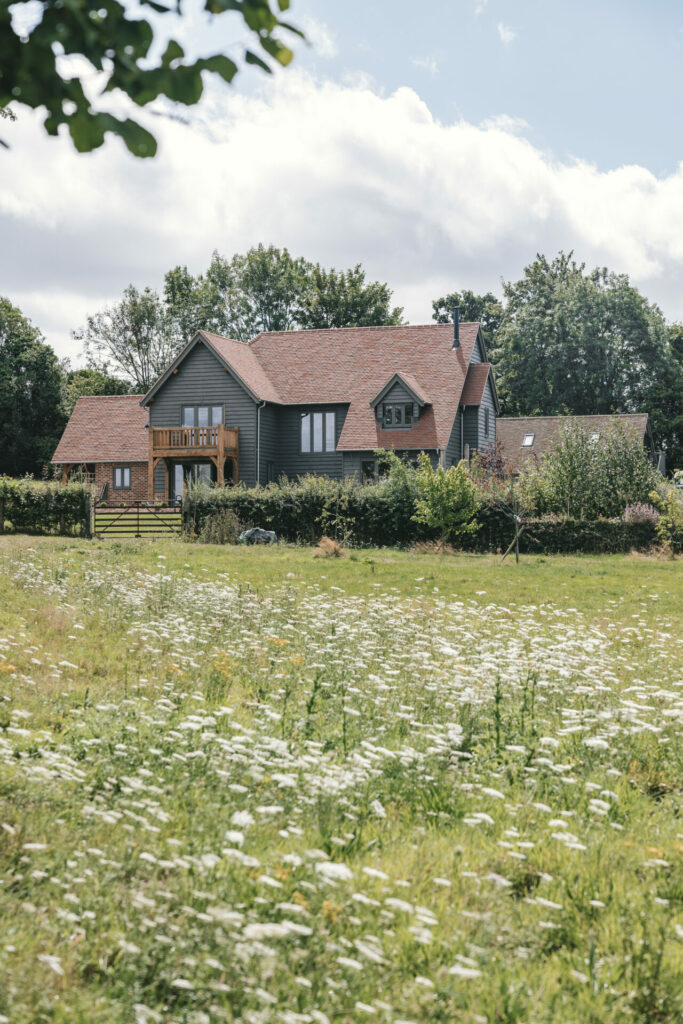
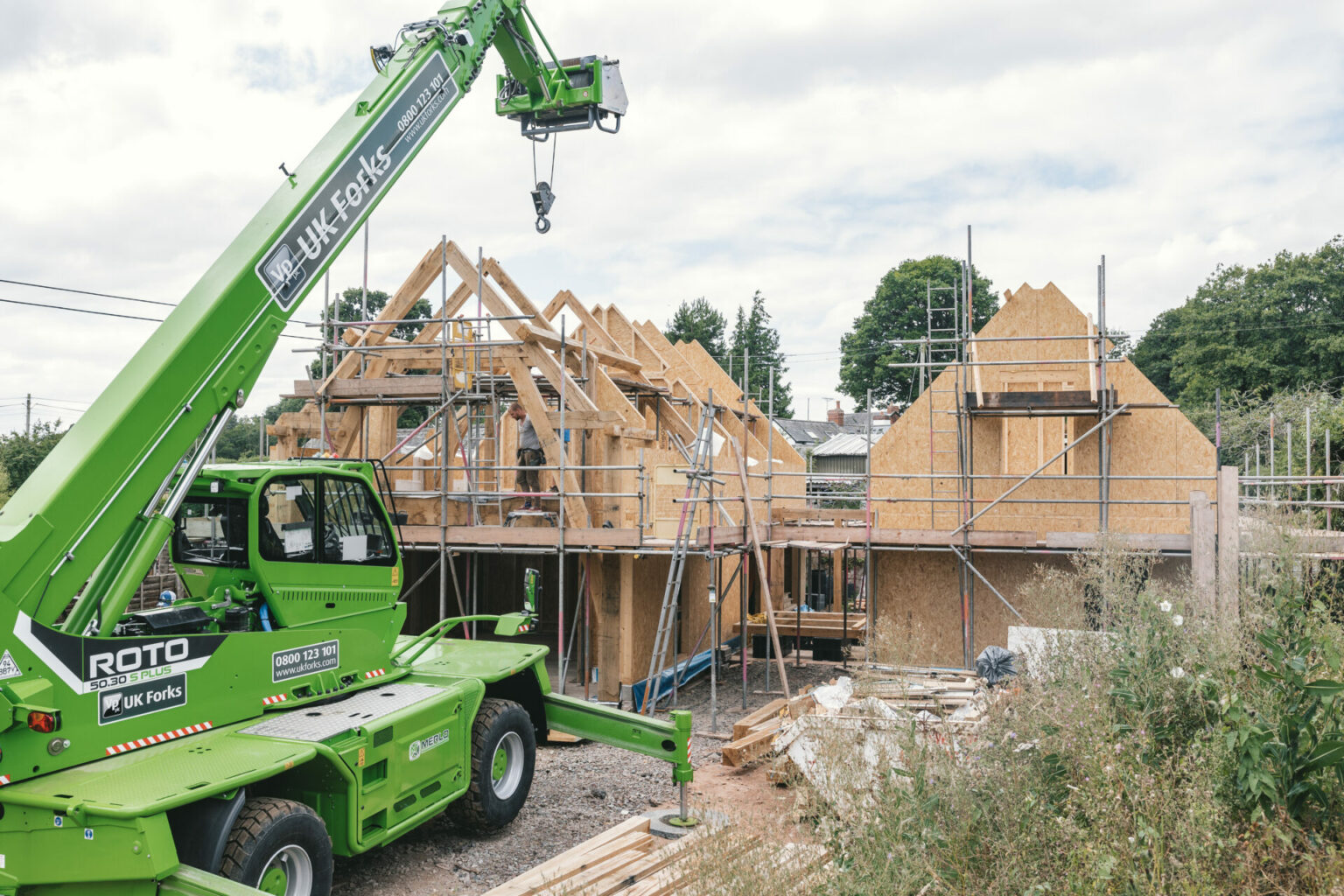
Sustainability is our Foundation
We appreciate that ‘sustainability’ means many different things to different people. And that in the home building sector sustainability metrics and expectations are ever changing and often dictated by others.
New materials, new understandings, and new regulations – alongside cost and personal priorities – all impact upon what can be achieved and how.
Notwithstanding the evolving nature of sustainability Border Oak are very proud to have been at the forefront of sustainable design and construction for five decades – it is something we genuinely enjoy and so has become embedded in what we strive to do. We are always keen to continue to improve and learn – to adapt, innovate and pioneer wherever we can.
We believe that choosing to commission your own home is fundamentally an excellent way live more sustainably – without hardship or sacrifice. Chosing an oak frame is another highly sustainable choice. We design and build for longevity so our buildings have the potential to positively contribute to the environment over a very long period of time which is a strong and pragmatic ecological approach – at odds with the disposable and short-lived methods of other modern builds. A well made green oak frame will stand and shelter for centuries, and can be infinitely reused and remodelled.
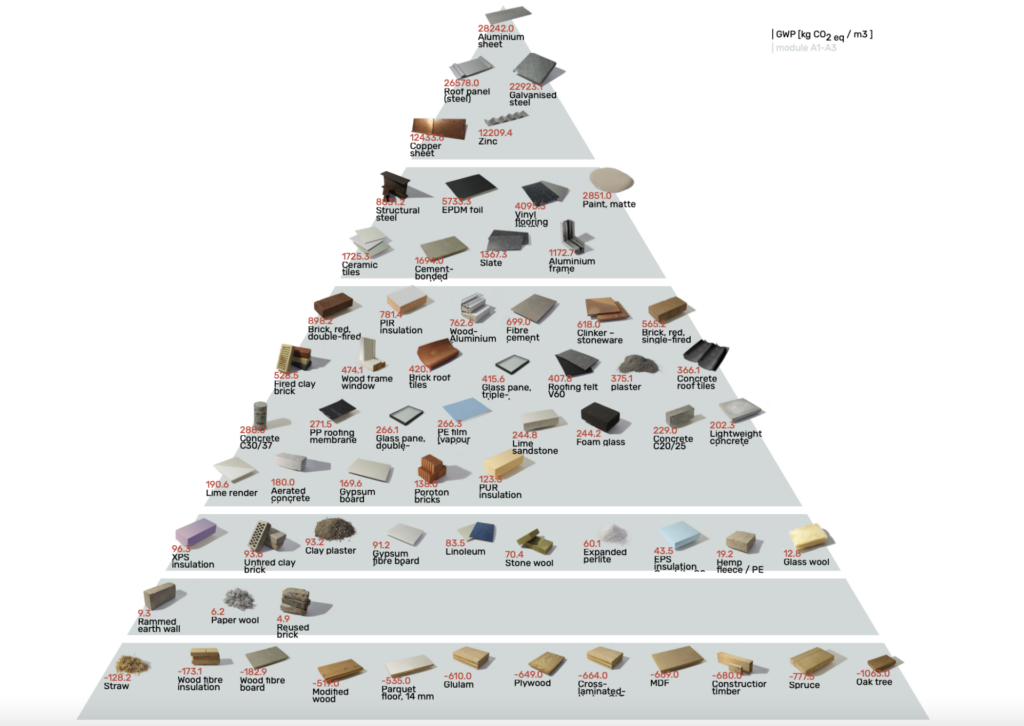
Green oak is perhaps the most sustainable material choice for any project – positive biodiversity impact while growing, it stores significant amounts of carbon, and by converting the tree into a home with very little extra energy needed the carbon remains ‘locked’ out of the atmosphere for centuries.
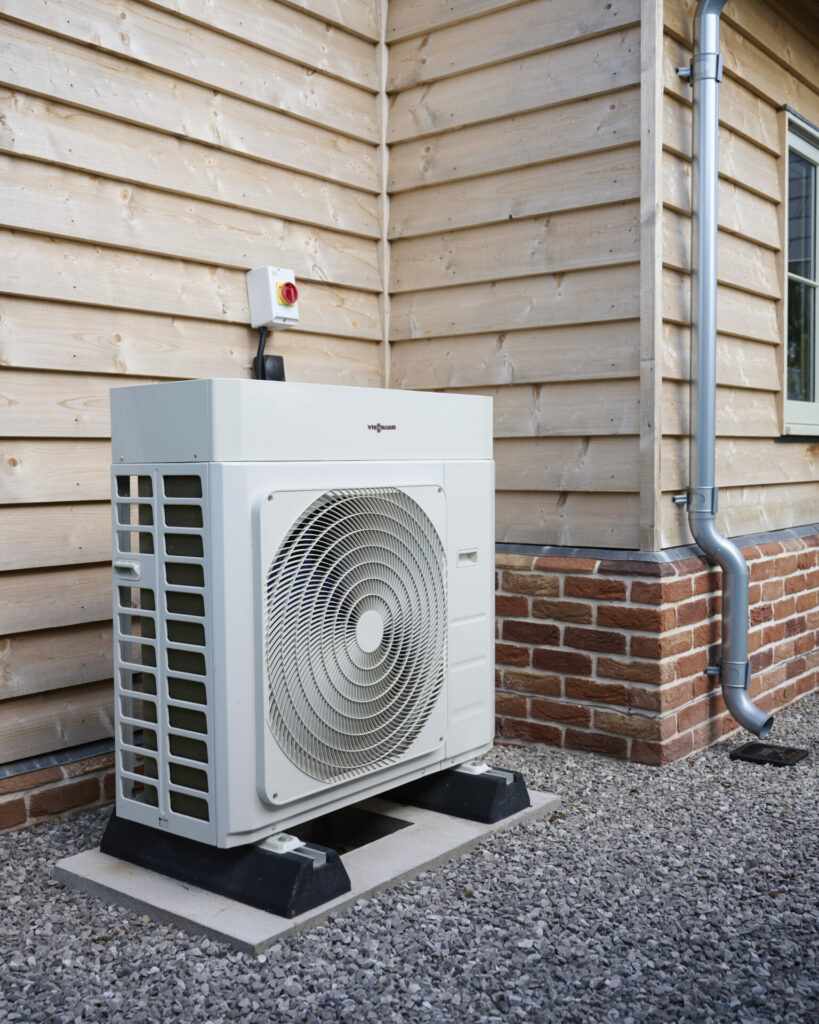
We make our oak framed homes by hand in traditional workshops, which, along with our offices, are fired by renewable energy (airsource heat pumps and PV panels).
We use a broad range of other natural materials – minimising and avoiding high embodied energy products such as cement, concrete and steel.
Our Workshops & Offices
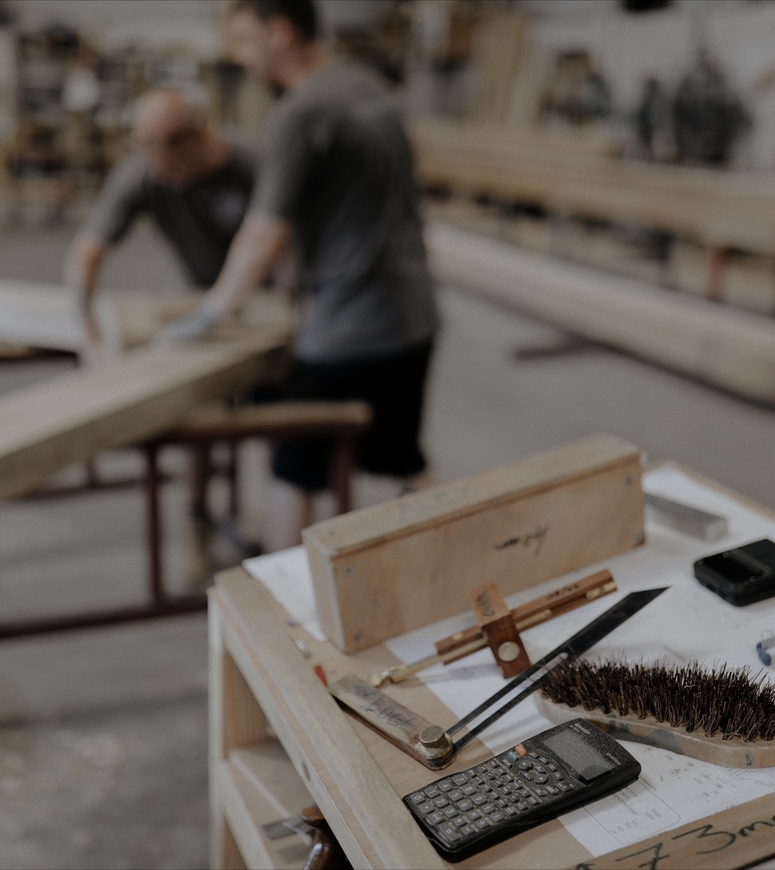
We make all of our frames by hand using traditional English carpentry techniques and tools – no energy hungry machines that need to be endlessly fed. Several of our workshops are repurposed buildings and our newest addition – Annie’s Barn (named after a much loved, long standing colleague) is a super sustainable experimental building made from oak, reclaimed and local timber, wood fibre insulation, cork, lime plaster and other innovative timber based products. It has triple glazed windows, low water use fittings and provides staff with a canteen, learning and gathering space. We have a large array of PV fitted to our workshop roofs, and the offices and barns are heated with ASHP and underfloor heating.
Our front offices (built in 1990 and 2000) are also timber buildings. The front cottage HQ is exclusively oak framed and timber, and the long barn to the rear was the first SIPs structure built in the UK. It is super insulated and clad in timber. The original station masters office has been retained and retrofitted in between the two newer structures and now houses our finance department.
In our yard we all have a recycling depot where surplus materials are retuned so they can be reused and stock items are stored – to reduce waste and lessen transport. Our next project will be to look at creating biochar from our oak offcuts and finding uses for our sawdust.
Our blend of repurposed and retrofitted older buildings together with super sustainable newer structures designed and built by us plus innovative recent additions and our expanding renewable technologies are part of our overarching sustainability aspirations – we design and make sustainable buildings from sustainable buildings.
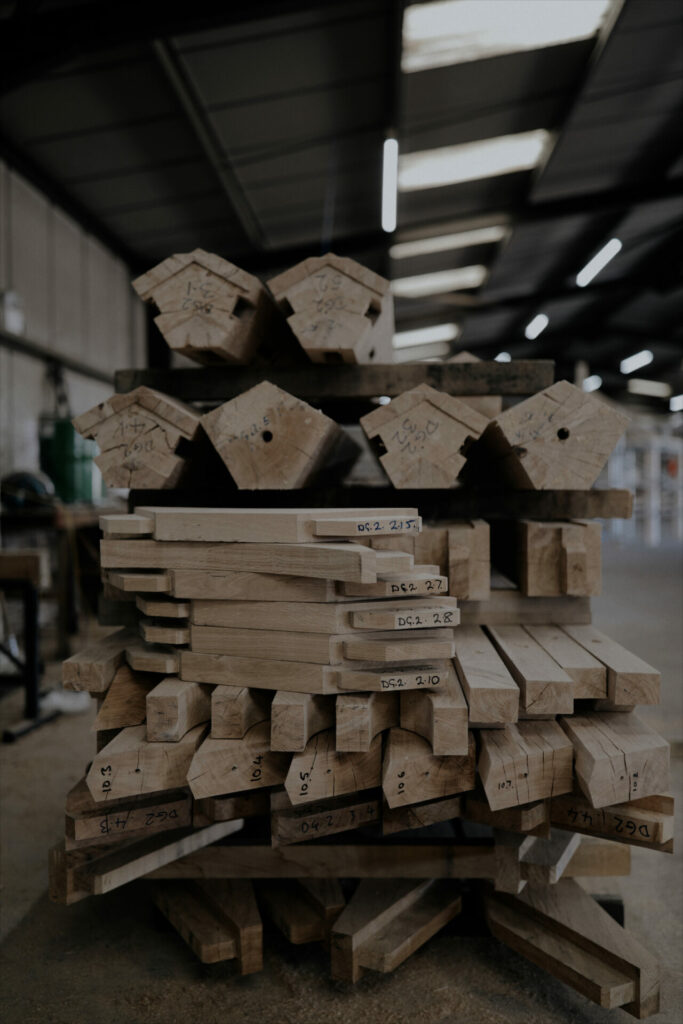
Oak
Green Oak is widely regarded one of the most ecological construction products available when measured against all metrics – not least embodied energy, longevity and carbon sequestered. Oak is incredibly strong without any treatment and requires little energy to convert from a tree to a building material. Well made and cared for oak frames lasts for centuries and can be repurposed infinitely.
Border Oak are proud to be one of only a small handful of construction companies in the UK who are fully FSC® or PEFC certified for the supply of timber. In addition we have a robust ethical procurement policy endorsed by our auditors which applied to everything we buy. The long growing time and sustainable management of our partner oak farms also provides a stable and rich habitat, and enables ethical harvesting alongside our rigorous approach to traceability. From the forest to your home.
Oak is also a huge contributor to biodiversity and climate betterment. A single tree can support around 2,300 different species, more than 600 of these only survive on and in oak trees. An oak tree is the original ecological wonder product – producing oxygen, shelter, environmental networks, food, water and air regulation, soil betterment, nutrient, moisture and temperature balancing. Historically it has been used for everything from inks and leather making to building the nations war ships, creating the English pub, forming dazzling civic and religious buildings, castles, market trading palaces and shaping the vision of the planets most famous playwright!
By creating a valuable and desirable end product Border Oak are very proud to be able to support the whole cycle of timber growing, forest management, sustainable procurement and frame making for the 21st Century.
Design
The simplest way to make a home more sustainable is to design it to be explicitly sustainable.
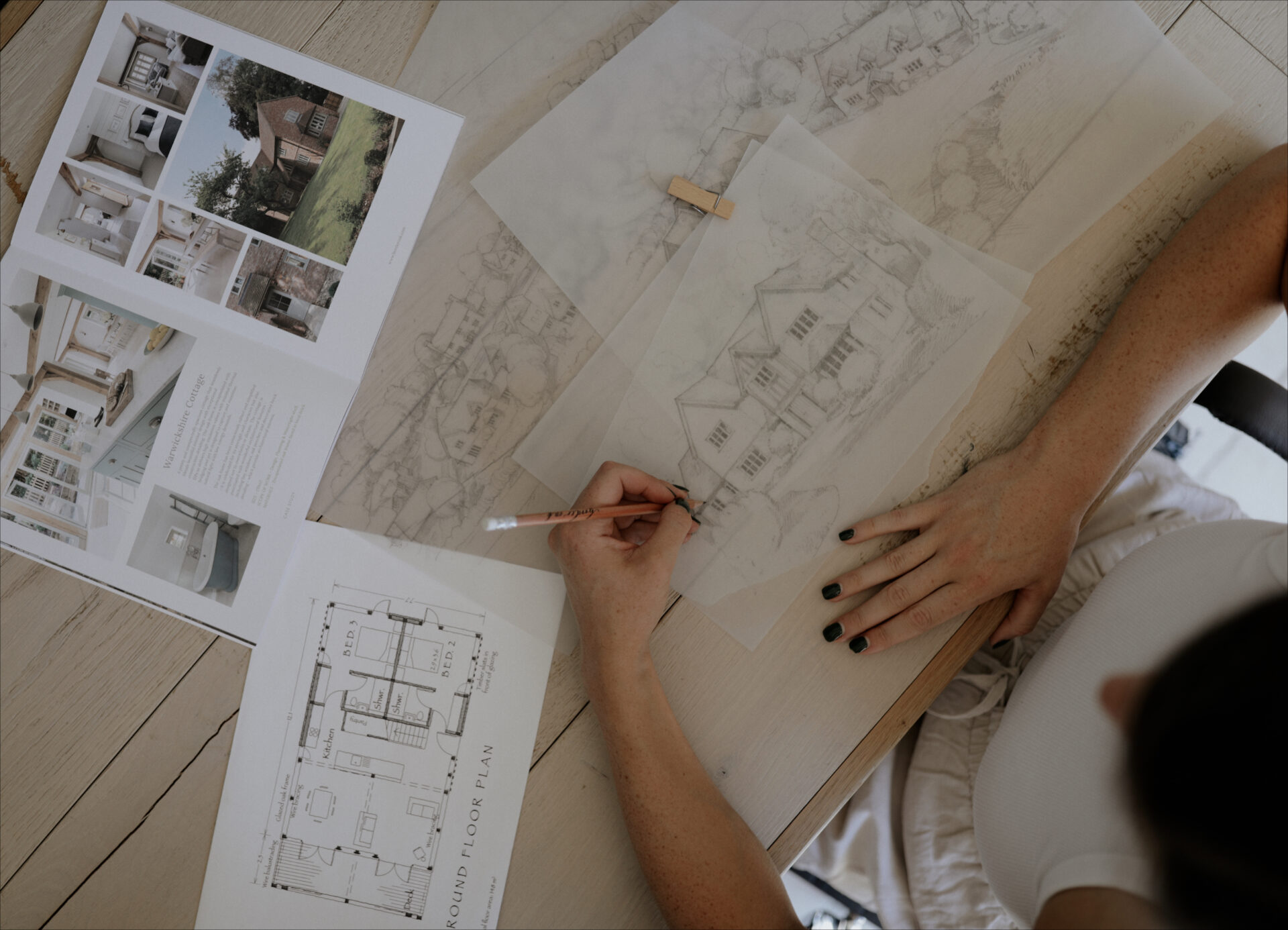
All of our homes individually designed, so we are able to recommend how to meet your personal interests. From advising on orientations that capture the best natural light and views through to identifying locations to protect existing features (such as trees) on site. We work with our clients to incorporate their sustainability priorities with ours and to design a building that reflect their interests and aims and makes a positive contribution.We also work closely with our suppliers to develop and use products that are sustainable and unique – from designing a glazing bar detail that works for triple glazed windows to integrated renewables in the right place.
We also appreciate that sustainability is also about people and viability – which is why personal relationships, ethical procurement, transparency, trustworthiness and value for money are woven through all that we do.
Renewables, Technologies & Fabric First Approaches
Energy is an ever transforming market and it is likely that the GB grid will be ultra low carbon/renewable within the next few years. Nonetheless we are well accustomed to integrating renewable energy tech within our projects – PV, ASHP, ground and water heat pumps, solar thermal to name a few.
We have been specifying underfloor heating, ASHP and PV for a long time now and they work well with our products because we pay attention to the detail of how everything performs and the fabric of the build. Construction detailing and workmanship, considered designed performance and material choices – often referred to as Fabric First – is a much overlooked element of sustainable building, but one that we have long focused upon. It is arguably more important than the ‘bolt on’ technologies – many of which will be outlived by the building itself.
Insulation, airtightness, passive principles, longevity, low embodied and operational energy, thermal bridging, material specification (limiting materials such cement, concrete and steel in favour of natural and low processed materials) are important, as is carbon store, efficient glazing, balancing solar gain and overheating risk. Most of this is set by Building Regulation and changes over time.
New products emerge all the time. Batteries were rare not so long ago but are becoming more common and more affordable (which helps homes meet new demands and makes best use of the other technologies).
Within all of this our job is to create a home that is your refuge, your legacy and makes your life richer and more enjoyable. Peace, ease and
We are very happy to discuss your priorities and wishes and will always explore ways to .
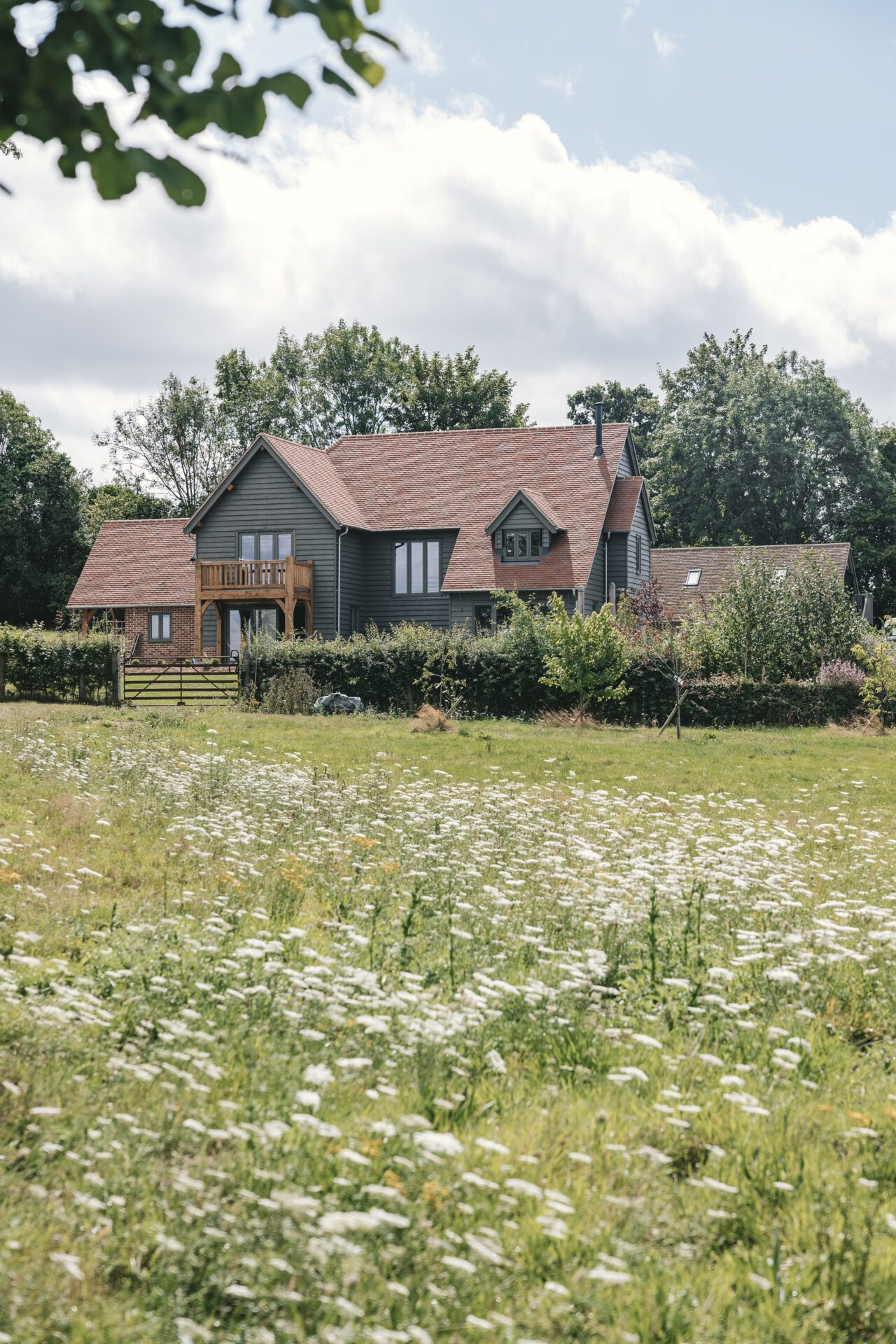
A Typical Border Oak project might include:
- Superlative insulation standards
- Natural and low impact materials
- Green oak – natural, carbon store, low embodied energy, non-toxic, renewable, long lasting
- Fabric first approach – sustainable by design from the very beginning
- Passive solar design – maximising the benefits of natural light
- Airtight – applying innovative materials and detailing, but avoiding costly interventions and knock on impacts
- Air source heat pumps & ground source heat pumps
- Minimised thermal bridging
- PV panels, solar thermal technology
- Biophilic Design
- Short Local supply chains – traceable provenance
- Operating a novel ‘return of goods’ using our own material palette to avoid surplus material waste and reduce landfill
- FSC® or PEFC Chain of Custody certified timber
- Award winning waste minimisation scheme
- Reclaimed, recycled and reuseable materials
- Dry build methods, reduced water usage, sustainable drainage schemes and grey water harvesting
- Carbon neutral, carbon positive and low embodied energy materials
- Low operating carbon and emissions
- Minimising concrete, cement and steel – toxic, highly processed materials that can be difficult to reuse
The Border Oak Farm
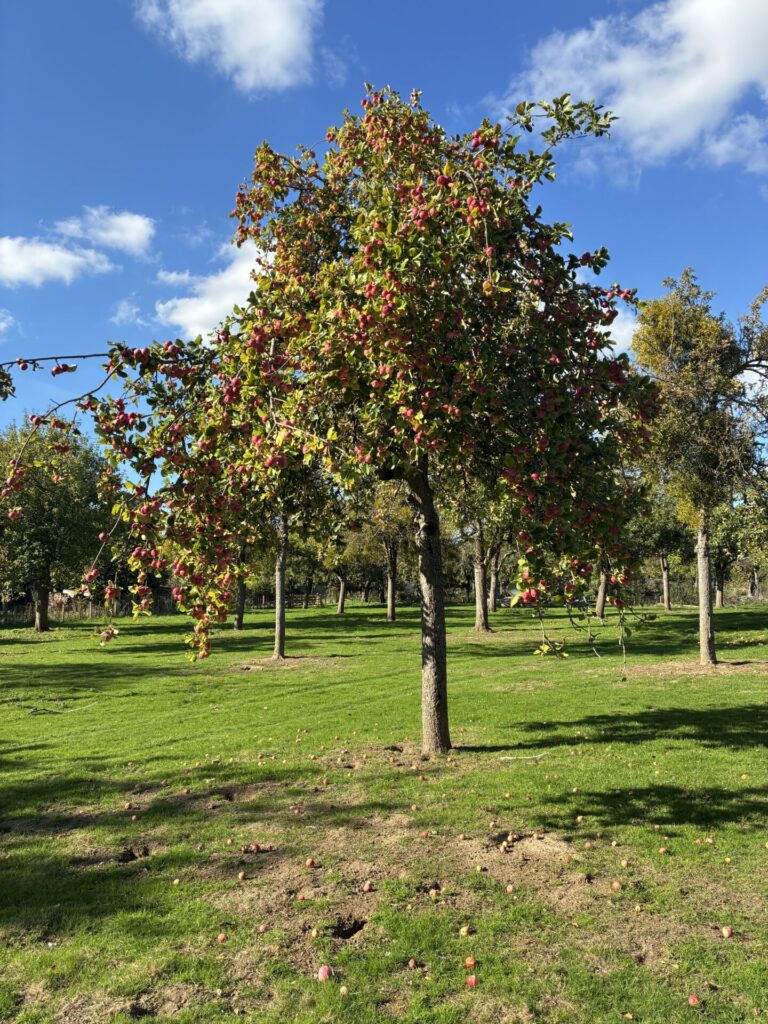
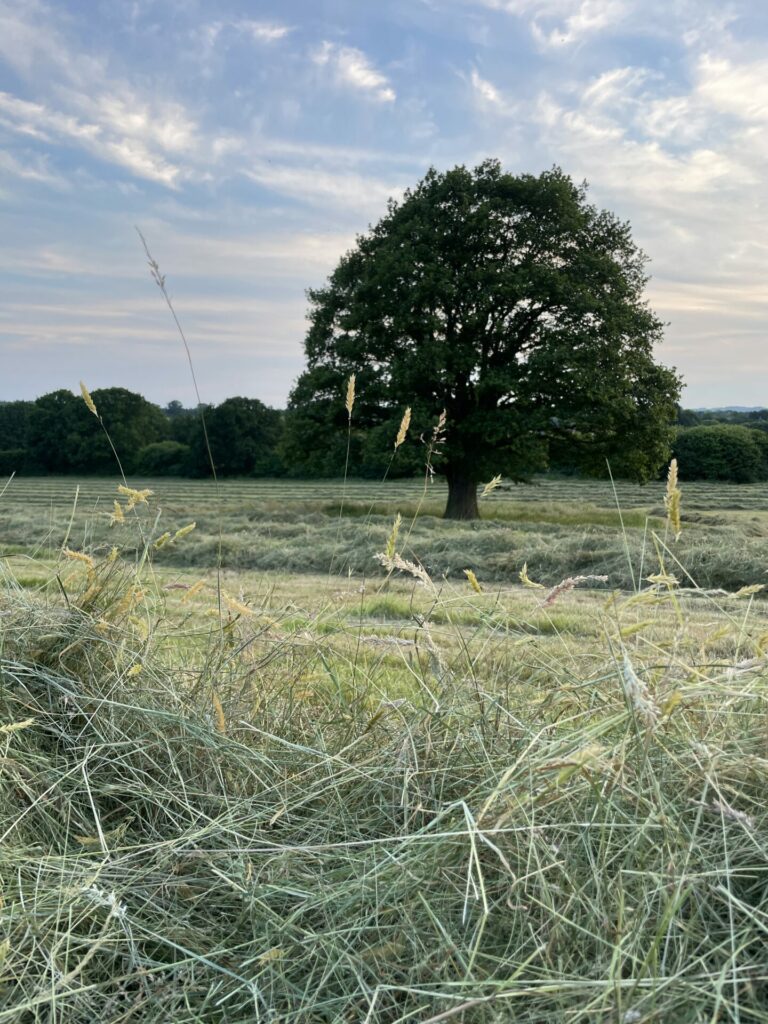
We have our own small agricultural holding in North Herefordshire, which we manage with nature and biodiversity at the fore, working to organic and regenerative principles. The farm includes a rare heritage orchard which we are restoring under 5 year project funded by DEFRA – it is one a very few heritage orchards remaining. We’re working in partnership with a local artisan cider and perry maker to ensure the orchard is both viable and productive and have been planting new orchards too.
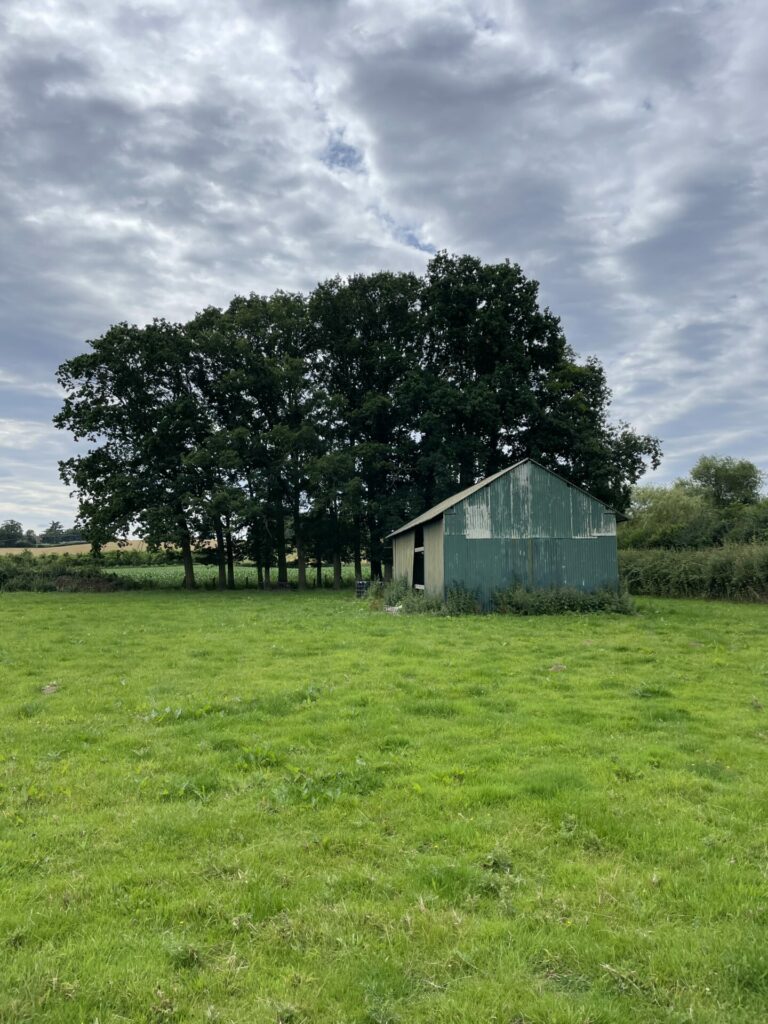
Our new visitor home will start construction on part of the farm soon on site shortly and we will eventually restore the traditional farm buildings too. You can read more about this project here (link)
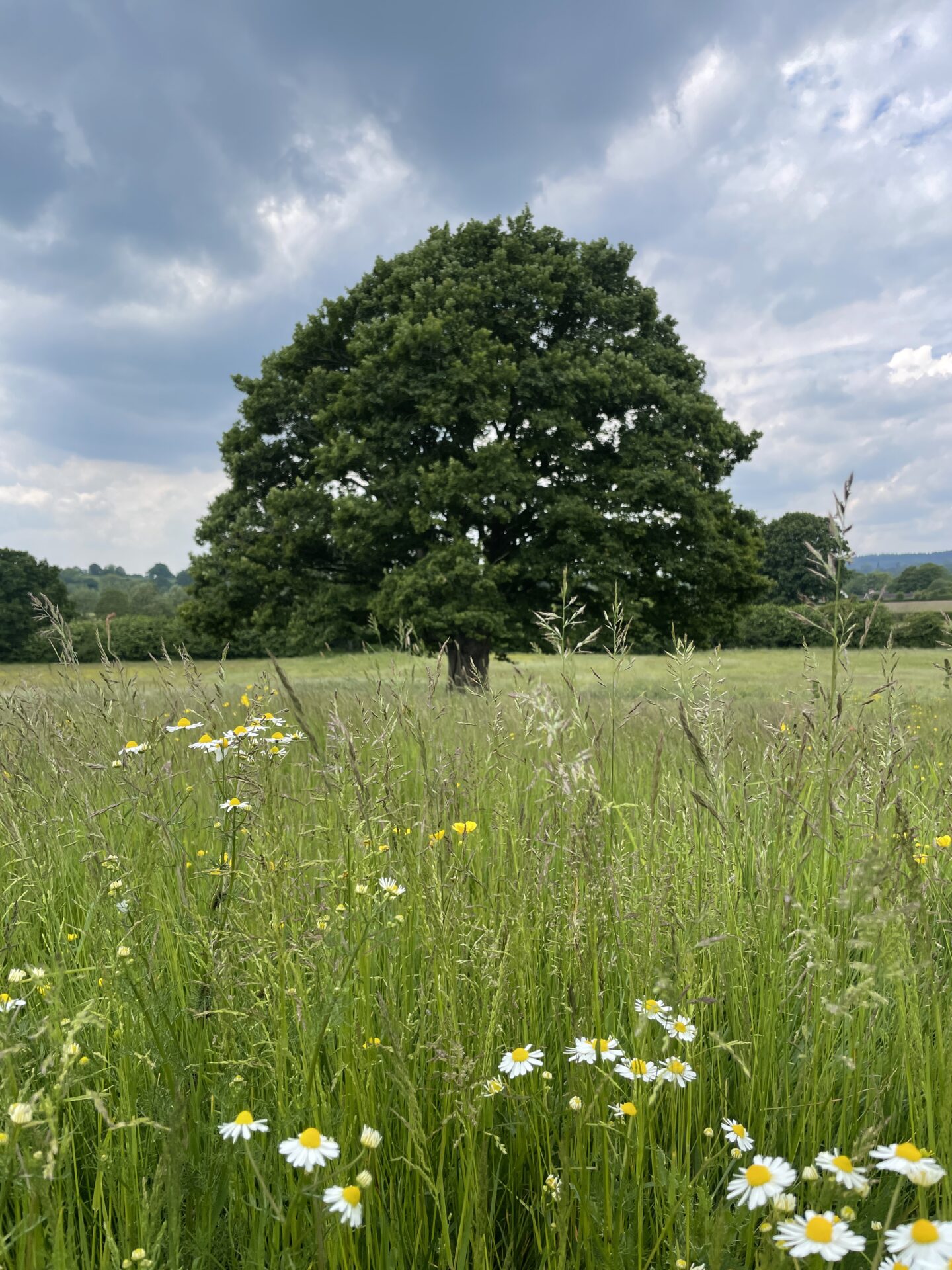
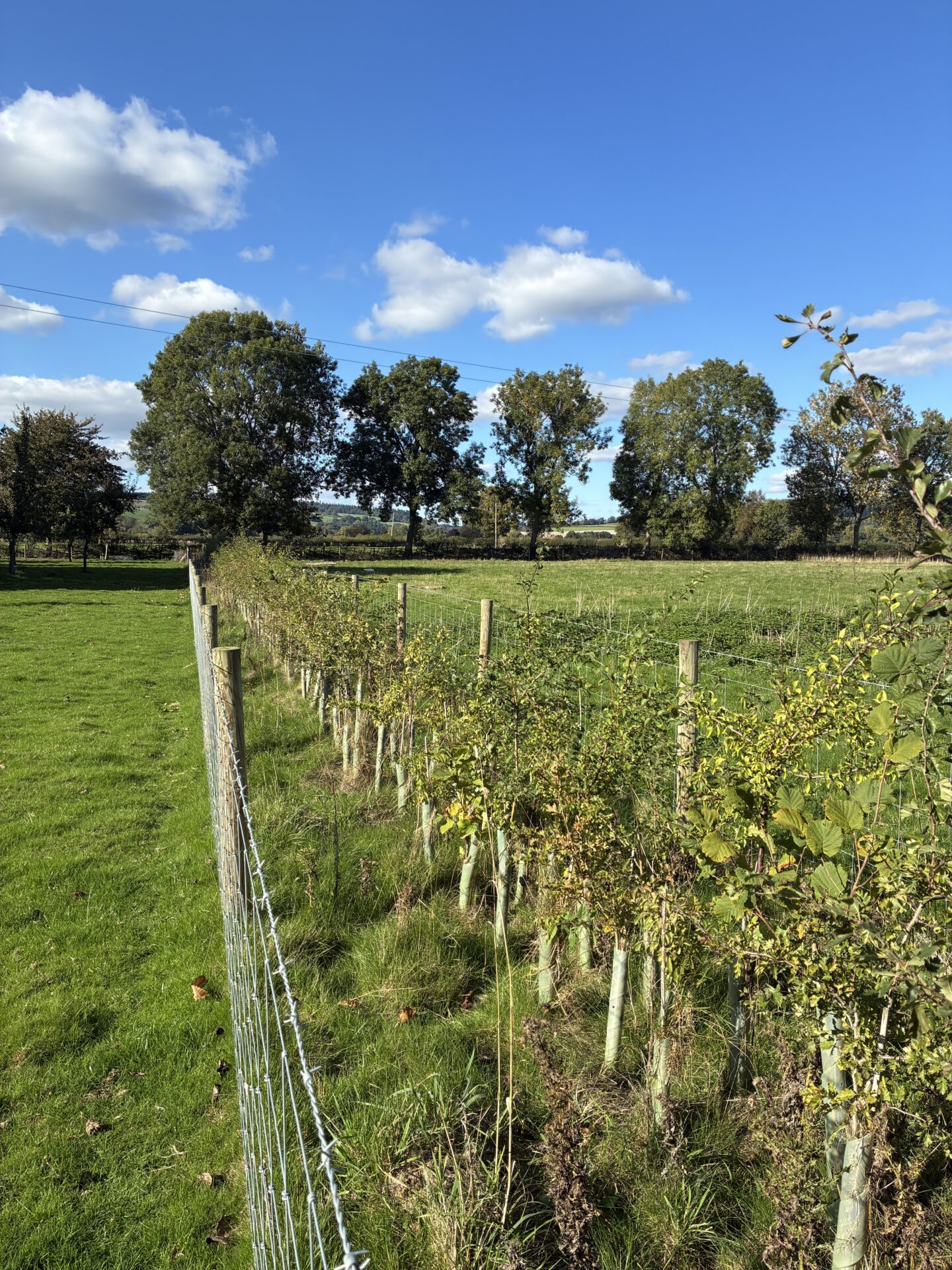
The Border Oak farm holding also includes previously intensively farmed land which we are in the process of reverting to traditional meadow, orchards and wet woodland, to restore the soil and protect the brooks and streams that run through the farm. We have already planted significant lengths of native hedgerows and relaid the ancient hedges. We are aiming for diverse management of our total hedge lengths are hedges are not only wildlife corridors, but they also improve carbon and nutrient stores, help with flood risk and water management and keep our grazing stock in the right place!
In 2025 we partnered with CPRE Herefordshire to plant a further 2km of new native hedgerows across the farm.
Likewise we always aim to add new hedging to our housebuilding projects – delivering miles of new hedge every year, plus planting new trees, creating grassy verges, establishing orchards and meadows.
Since 2019 Border Oak have also been a leading proponent of Nutrient Neutrality and Recovery campaigning in The Lugg and Wye Catchment, which suffers from long term pollution from phosphate.
We are very proud to have conceived and delivered several nationally significant methods of phosphate reduction and mitigation – to enable us to build new housing with notable betterment for the beleagued catchment. The Border Oak farm is a fundamental part of our long term approach to supporting, restoring, protecting and celebrating nature and biodiversity alongside house building.r